Connect with the nearest station and request on-site mobilisation.
Proceed to site with full PPE and emergency mitigation equipment.
Coordinate with fire, police, ambulance and the driver.
Secure the threat zone and evacuate all personnel.
Check leak, spill, fire and medical needs; begin response.
Send site photographs to the control tower.
Monitor for gas with an LEL meter and confirm leakage.
Confirm medical aid and secure barricading.
Post continuous information updates.
Coordinate with local authorities for specialised help.
Verify cranes, empty vehicles and transshipment.
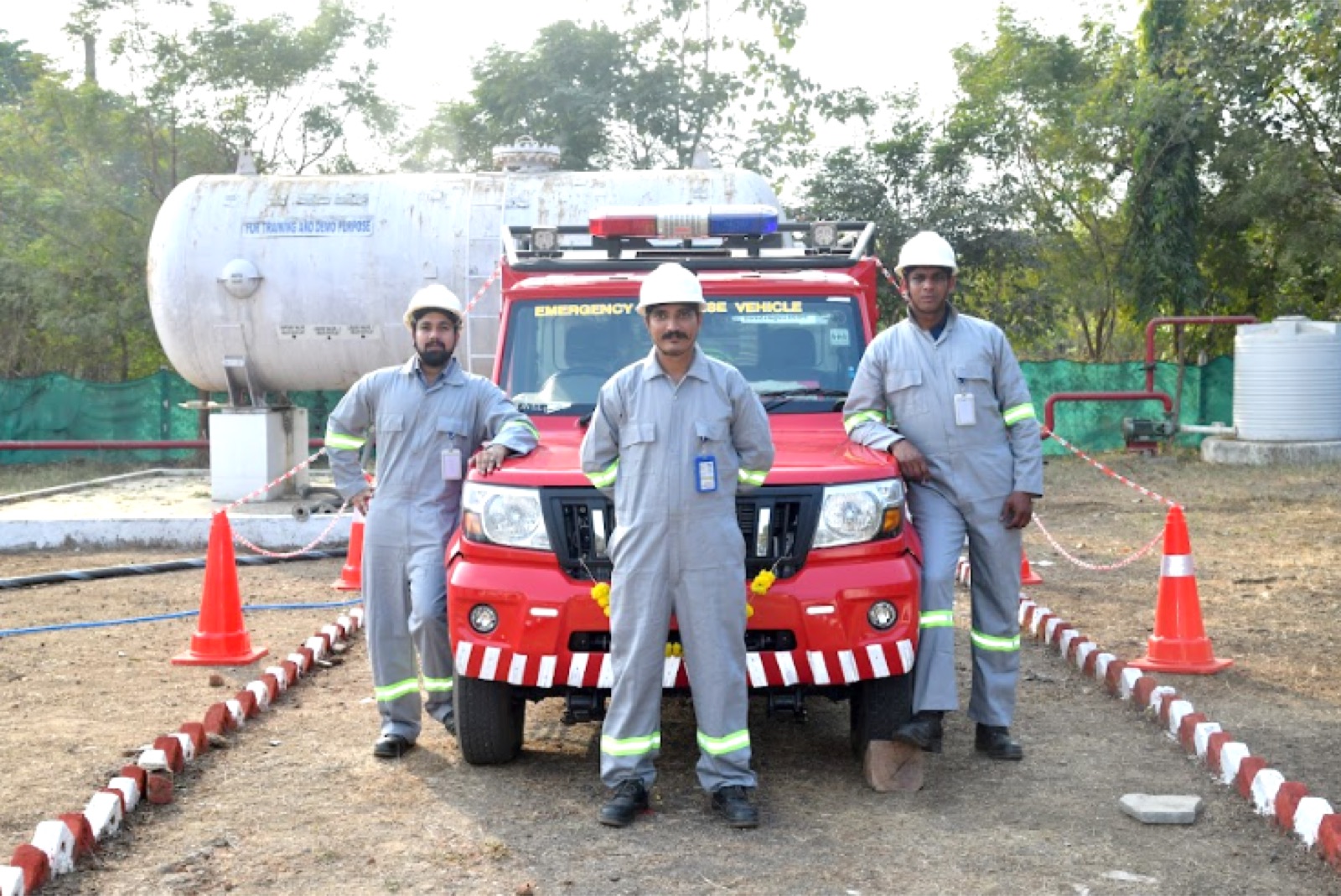
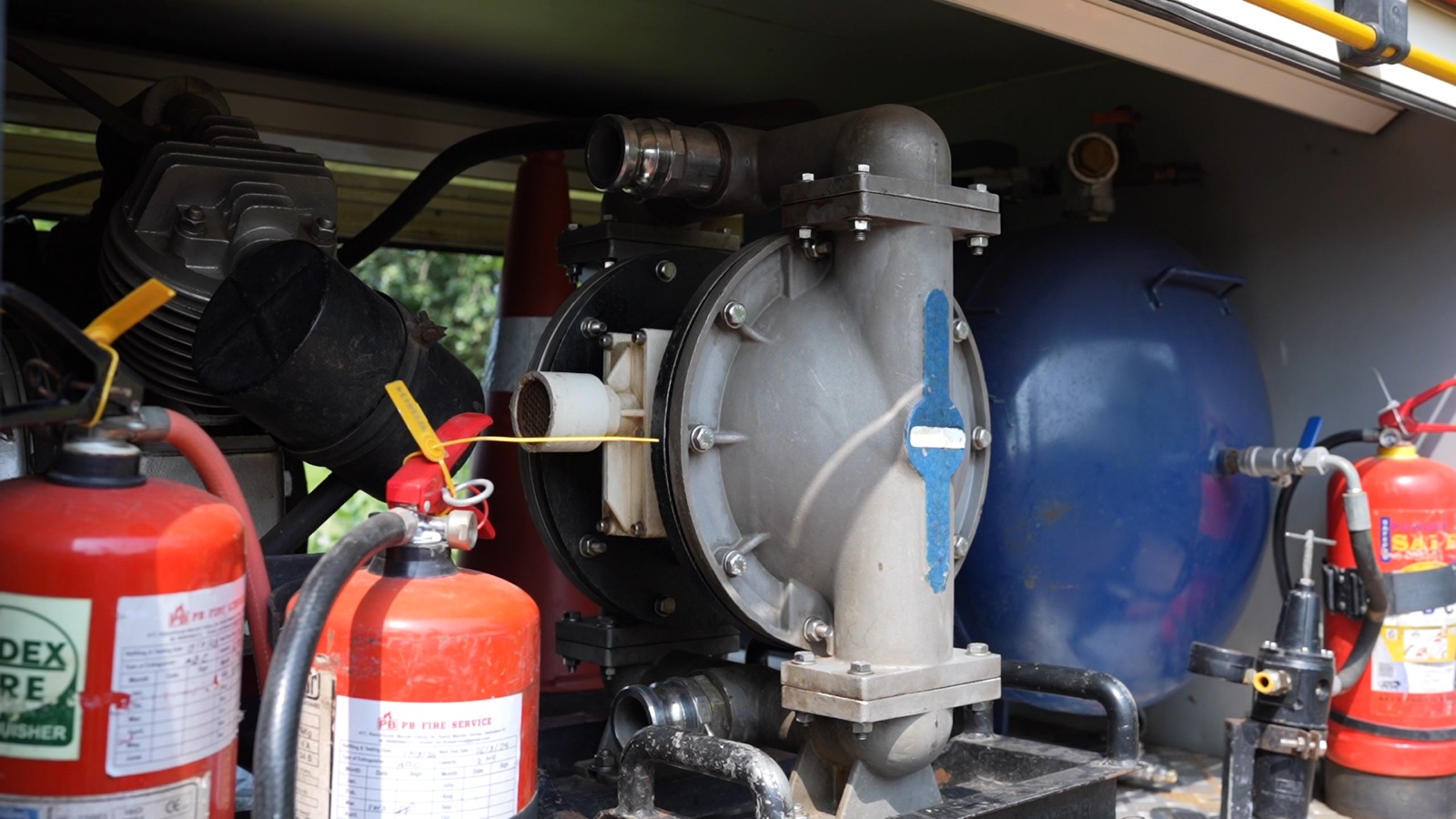
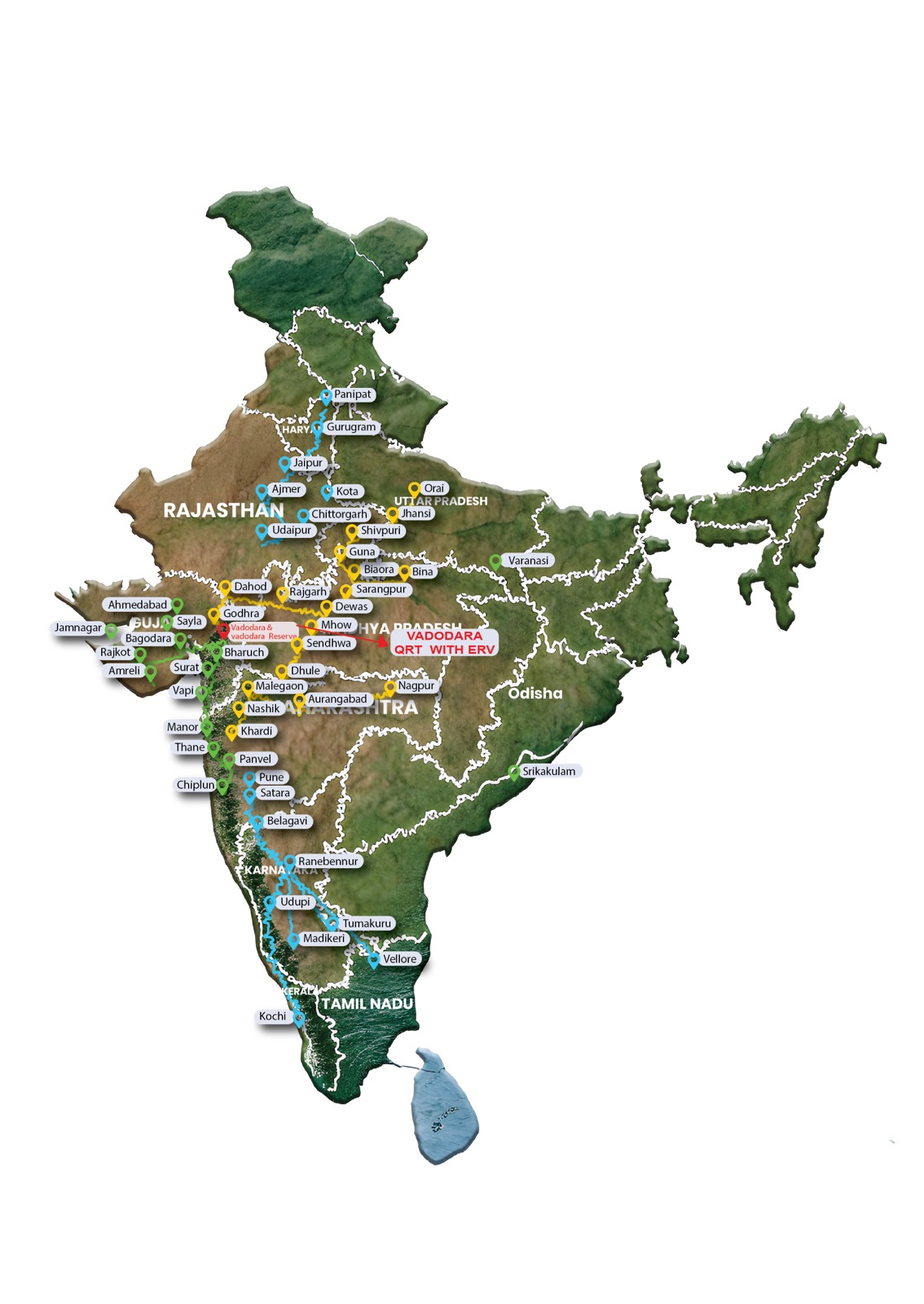
ERVs carry specialised equipment for leaks, fire and transshipment, starting with the Vadodara QRT with ERV.
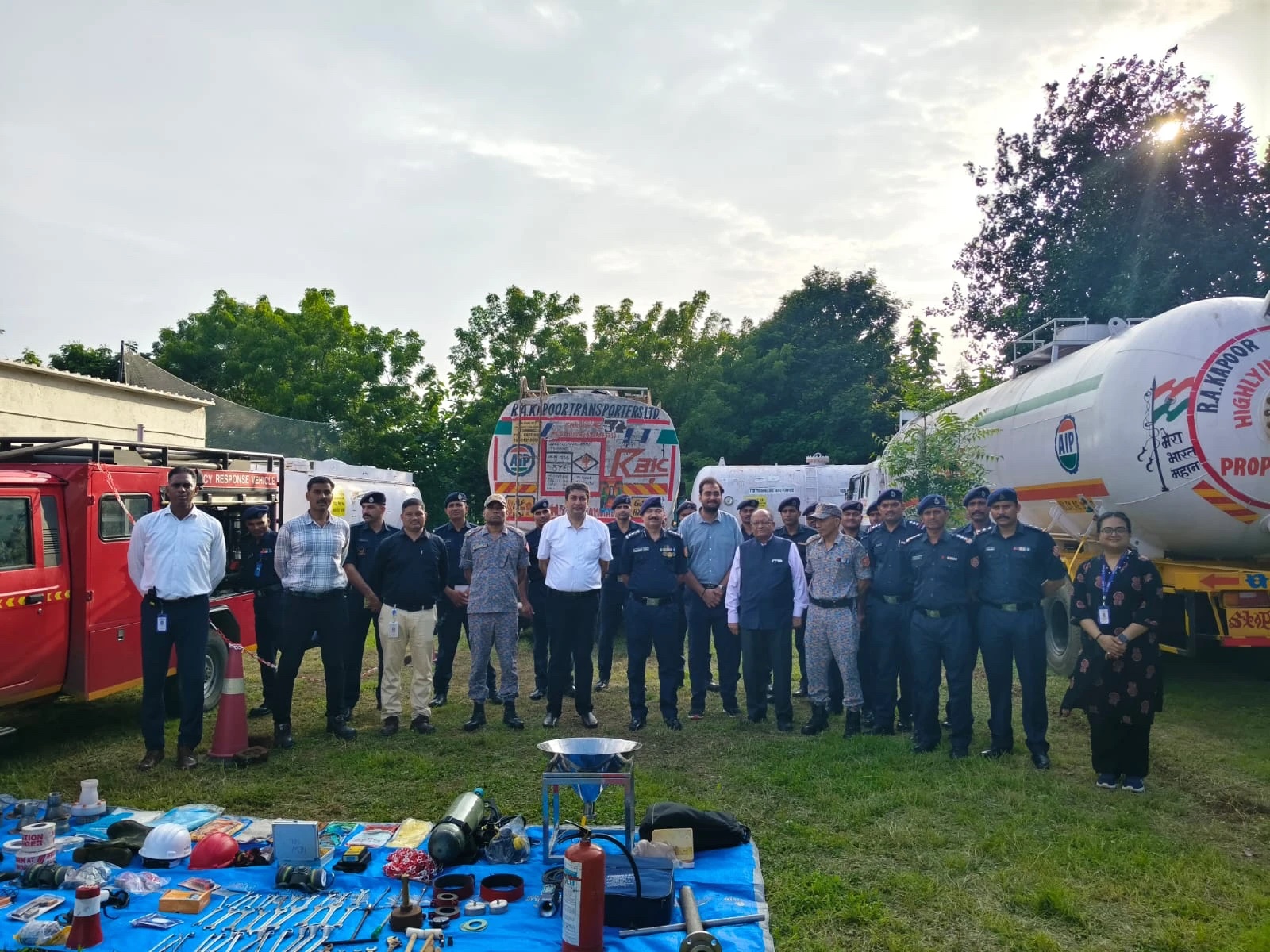
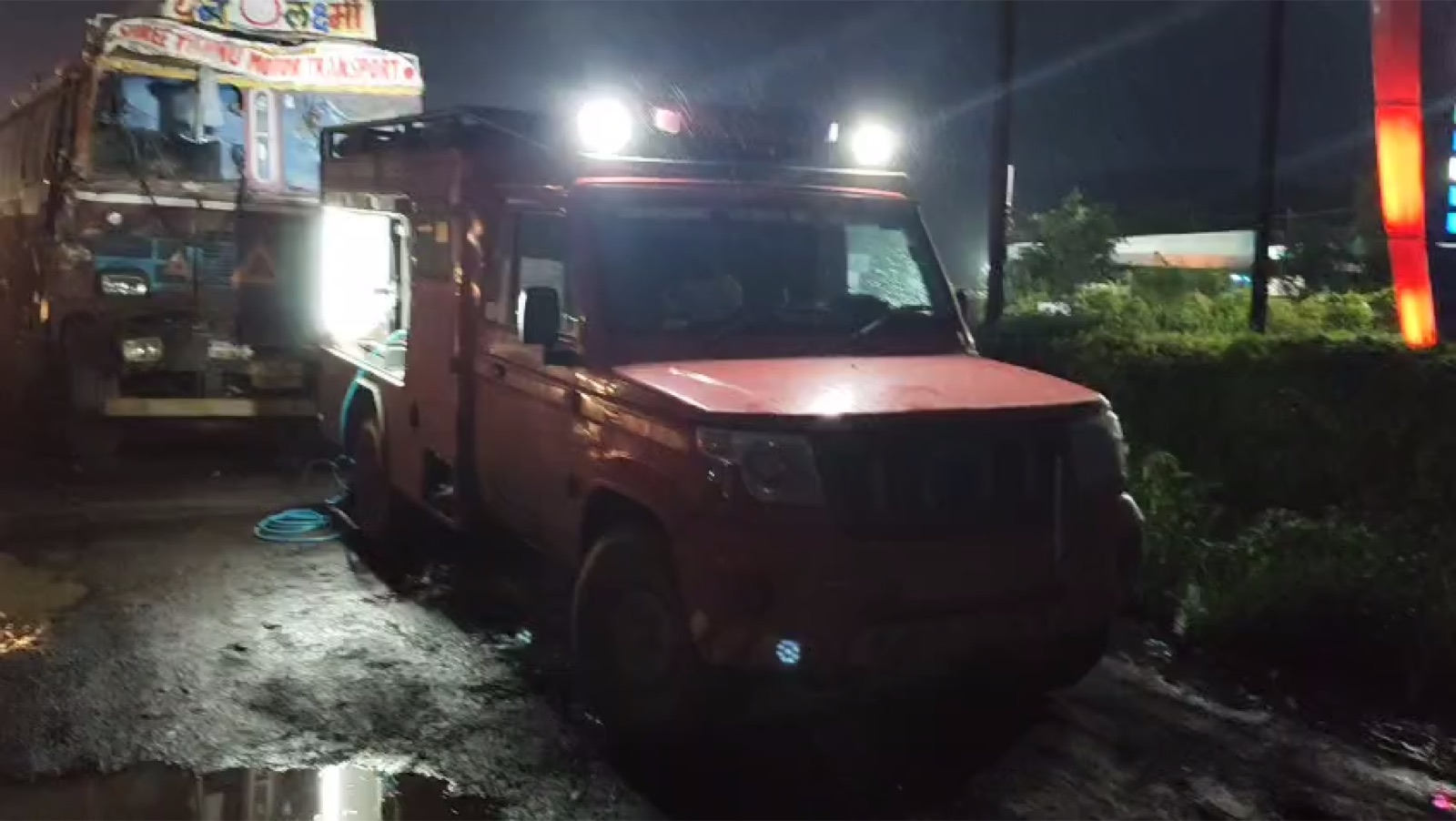
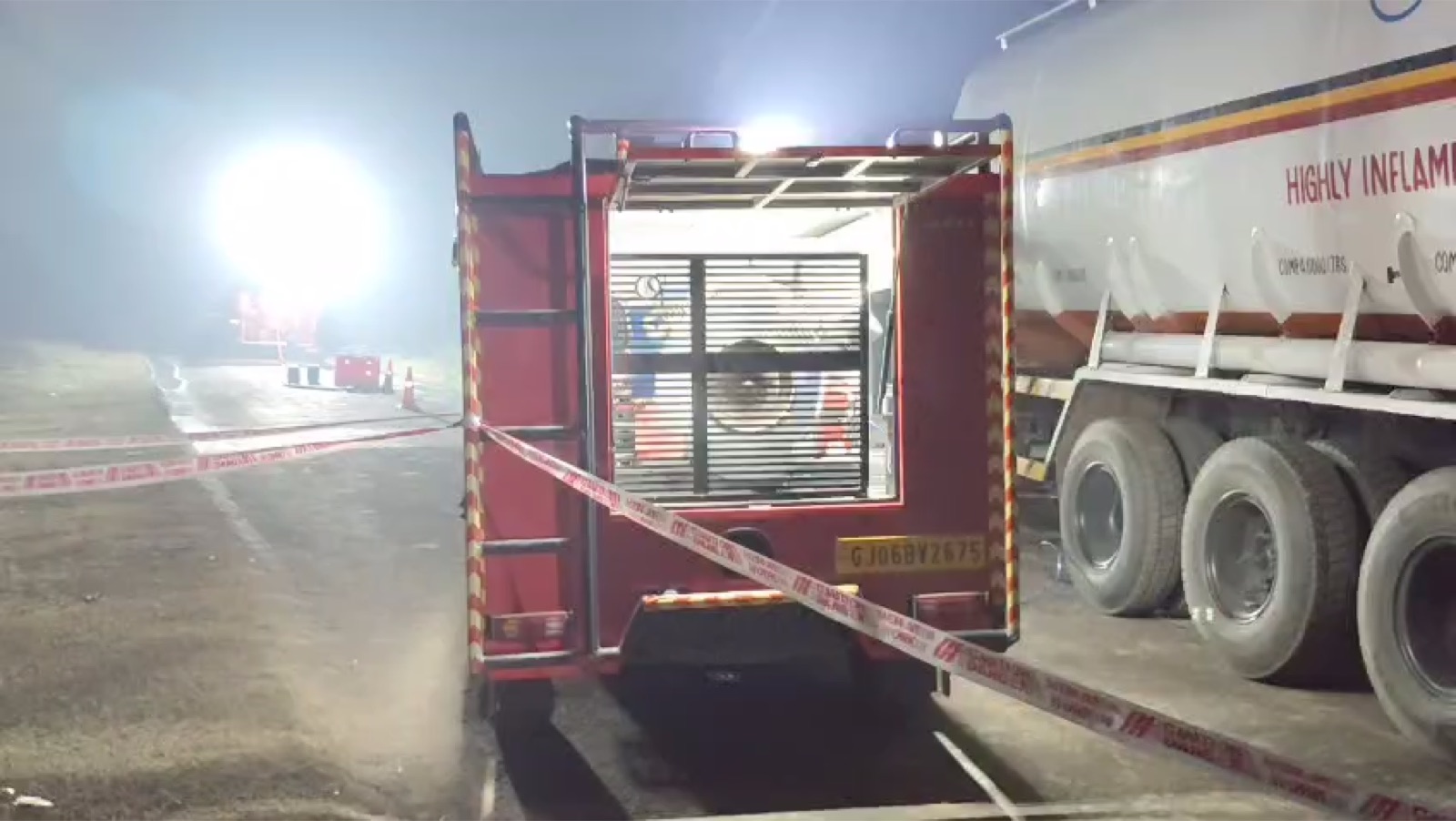
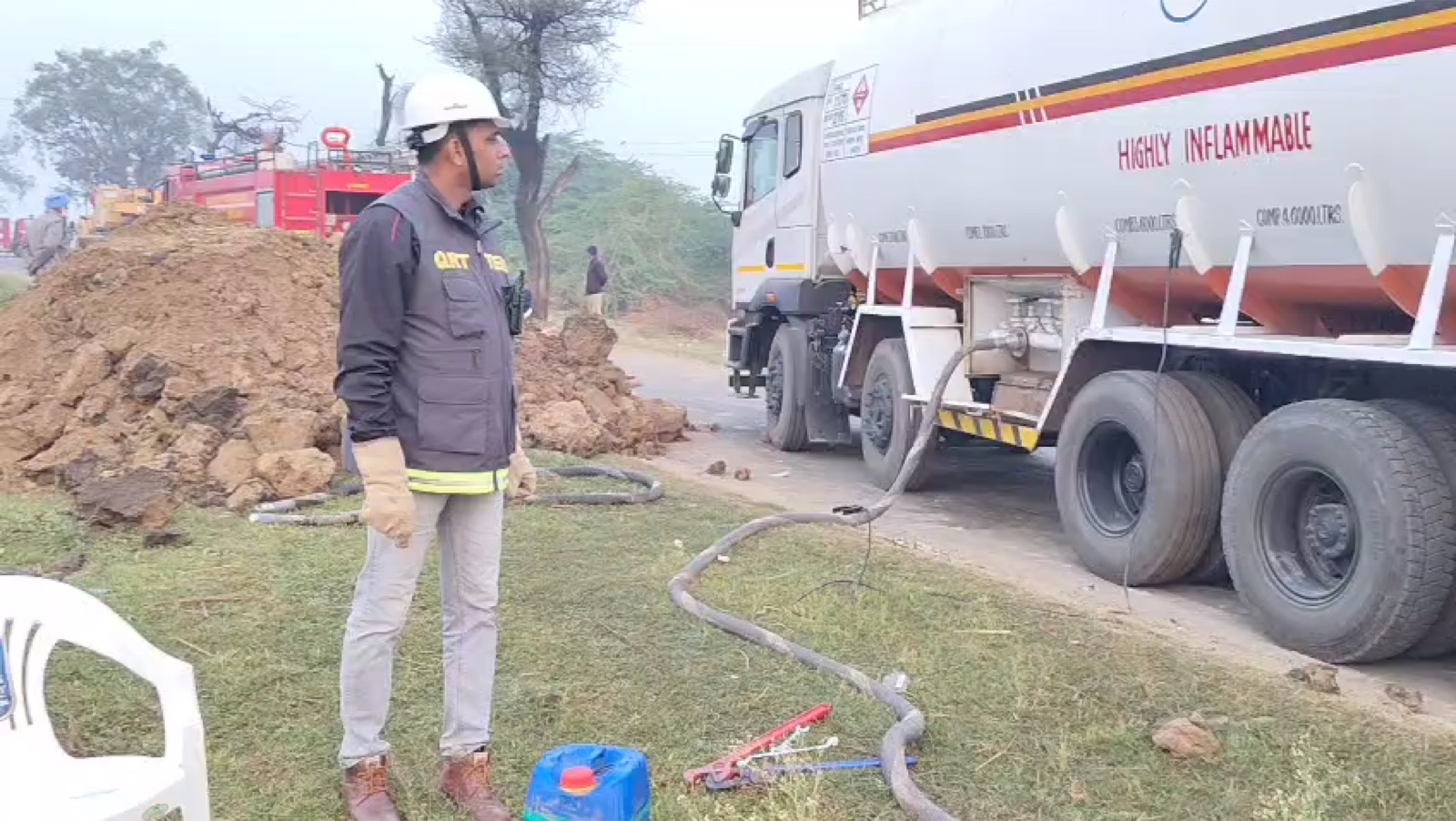
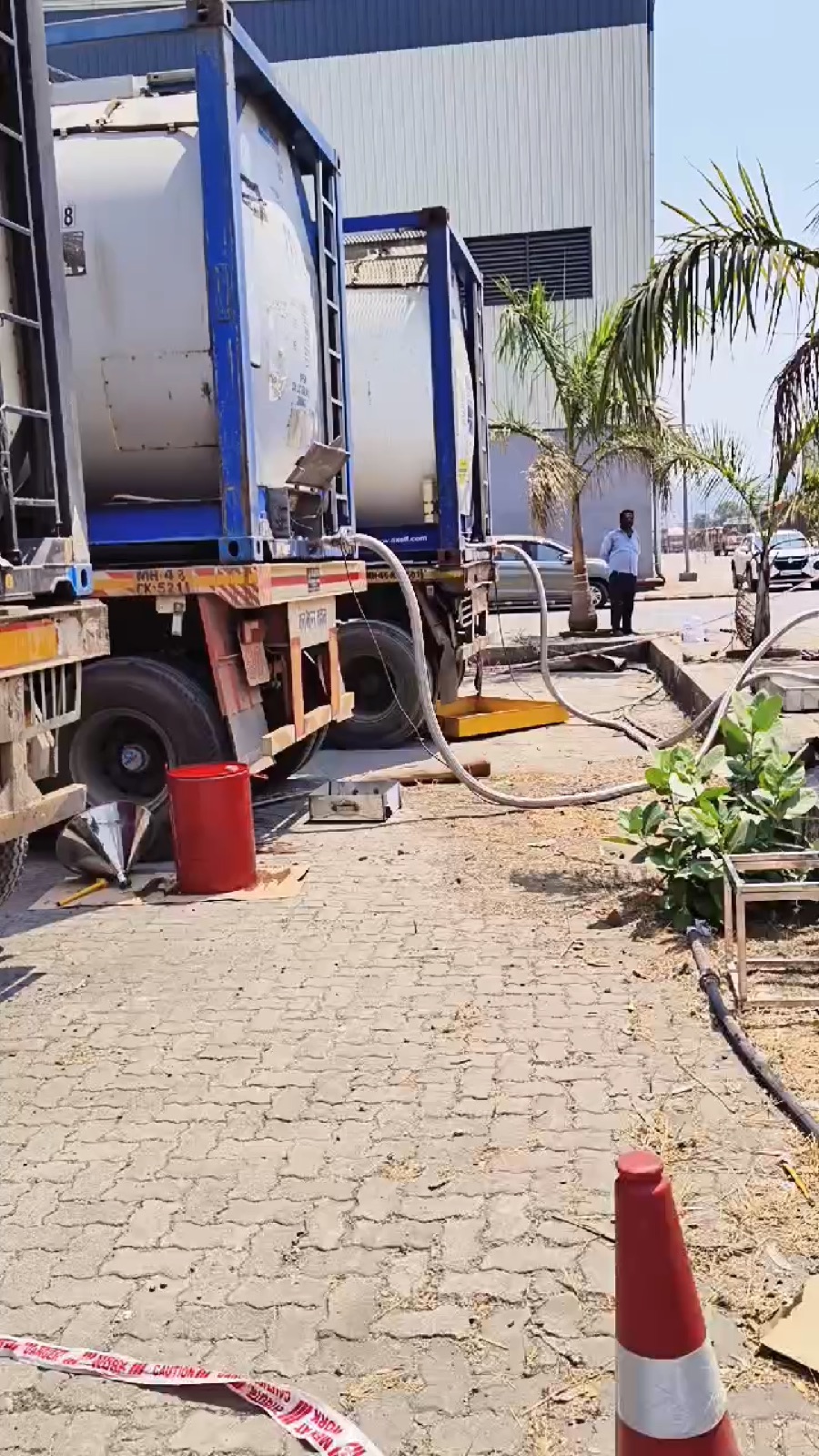
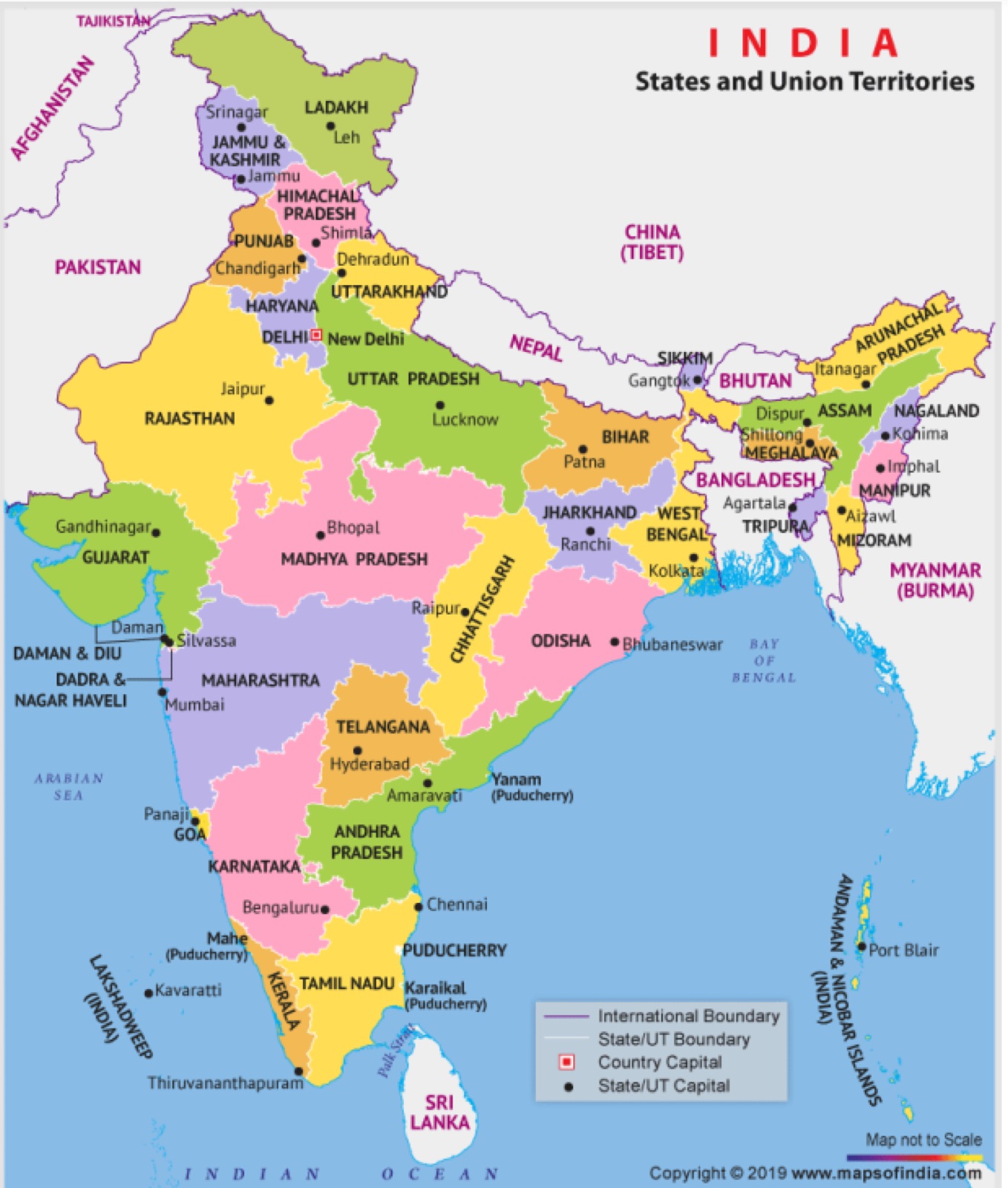
A QRT roughly every 100 km on India's highways, backed by Emergency Response Vehicles.
Top 10 states shown: planned QRTs per state, with ERVs.
Dial 112 or call our 24×7 Control Room. Our experts respond immediately.
Leave your details and our team will contact you.
Need login credentials for SDS & JRM? Register as a new member →